Best Bsc Biotechnology College in Bangalore
Acharya Bangalore B-School (ABBS) is ranked as one of the best Biotechnology Colleges in Bangalore, providing a full 3-year undergraduate programme in BSc biotechnology with built-in exposure to microbiology, biochemistry and genetics.
ABBS has a combination of modern laboratories, well-qualified faculty, research-orientated education, and industry exposure. This makes the institute a good choice for the students who are seeking biotechnology institutes in Bangalore.
Why Choose ABBS for a BSc in Biotechnology?
It is important that students of life sciences, research, healthcare and biotechnology industries select the Best biotechnology colleges in bangalore. ABBS is one of the most reputable biotechnology colleges in Bangalore, which is guided by the principle of career preparation and scientific profundity.
ABBS is one of the best biotechnology colleges in Bangalore where excellent academic work is combined with practical laboratory training. The students acquire exposure to the advanced biotechnology skills and get ready to take higher studies and work in the industry.
The college has agreements with the major biotech companies and research facilities in Bangalore. These links give the students real-life experiences in terms of internships, guest lecture and joint research assignments.
Based on the high rate of performance and graduates, ABBS has grown to become one of the top B.Sc. colleges in Bangalore. Alumni are employed in leading pharmaceutical companies and research centres and continue education with advanced degrees at the best universities.
Key Reasons to Choose ABBS
- One of the leading colleges of biotechnology in Bangalore.
- A combined course that entails biotechnology, microbiology, biochemistry and genetics.
- High-tech laboratories that have practical training on experiments.
- Well-researched and industry-experienced faculty.
- Internship/project exposure to hospitals, biotech companies and labs.
- MSc, research and industry career mentoring.
- Clear and low-cost fee model.
- Learning environment Interdisciplinary learning environment Life sciences.
B.Sc. Biotechnology – Program Overview
ABBS Bachelor of Science degree in Biotechnology: This is a 3-year undergraduate science degree programme that is developed with a focus on creating a robust scientific base and applied laboratory skills in various fields of life sciences.
Students completing this program are equipped to pursue careers in research, diagnostics, pharmaceuticals, agriculture, and advanced studies
The curriculum is based on the guidelines of Bangalore University but includes industry-related skills and current approaches to research. ABBS supplements the normal syllabus with the extra workshops, seminars, and hands-on training.
Small classes allow students to be personally attended to by the faculty. The programme also has a good student-faculty ratio that provides mentorship to the students in the learning process.
The BSc course in Bangalore is different in quality and specialisation. The notable difference in ABBS is that the college has well-developed lab facilities and industry relations which give students the competitive edge in the employment sector.
This programme equips students with:
- Firm background in biotechnology and biological sciences.
- Hands-on laboratory competence in microbiology and biochemistry.
- Molecular biology knowledge and genetic analysis.
- Data interpretation skills and research methodology.
- Scientific ethics, biosafety and regulatory awareness.
- MSc preparation, research positions, biotech industry.
Pedagogy – How Do You Learn at ABBS?
The programme takes an experiential lab-intensive, student-centric method of learning.
ABBS focuses on the active learning methodologies in which the students are involved in scientific enquiries and problem-solving. The pedagogy incorporates a balance between the traditional classroom method of instruction and the modern interactive methods.
Teaching methods used by faculty members are varied to suit various styles of learning. Laboratory demonstrations are more effective with visual learners, whereas analytical learners are more effective with data interpretation tasks.
Teaching & Learning Methods Include:
- Bridging courses in the basics of biology and chemistry.
- Routine lab work and experimental work.
- Independent research-based assignments and presentations.
- Case-based learning: scientific discussions.
- Scientist and biotech expert guest lectures.
- Research lab and hospital and biotech company internships.
Core Domains – Biotechnology Specializations
Students are provided with interdisciplinary exposure in major areas in the life sciences. ABBS is known to cover the entire coverage of specialisation in BSc genetics colleges in Bangalore and BSc microbiology colleges in Bangalore.
The interdisciplinary approach also ensures that students can know the links of the various biological sciences. This interdisciplinary approach equips them with new areas of innovation that integrate various disciplines.
Every main area will contain theoretical study and laboratory work. Students acquire skills in methods unique to that specialisation and learn more general biological principles.
Core Learning Areas:
- Genetic Engineering and Molecular Biology.
- Microbiology & Immunology
- Biochemistry & Enzymology
- Cell Biology & Tissue Culture
- Bioinformatics (introductory level)
- Industrial & Pharmaceutical Biotechnology
Industrial Biotechnology
Industrial biotechnology focuses on the use of biological systems, microorganisms, and enzymes in large-scale manufacturing and production processes. It equips students with the knowledge to apply bioprocessing techniques across industries such as pharmaceuticals, food processing, and bio-based production, bridging the gap between laboratory research and industrial application.
Core Subjects Covered
- Fermentation technology
- Biofuel production
- Bioprocess engineering
- Bioprocess optimisation
Key Skills & Learning Areas
- Upstream and downstream processing techniques
- Bioreactor design and operation
- Sterile production processes
- Product purification strategies
- Quality control and regulatory compliance
Practical Exposure
- Hands-on laboratory training in industrial biotechnology methods
- Internship opportunities in biotech industries
- Exposure to real production protocols and workflows
Industry Integration
- Strong connections with biotech manufacturing and research centres in Bangalore
- Opportunities to observe and participate in real production environments
Career Opportunities
- Biopharmaceutical companies
- Food processing industries
- Biofuel and enzyme production units
- Biotech manufacturing plants
Medical Biotechnology
Medical biotechnology is a specialised field that applies biological systems to develop diagnostic tools, therapeutic treatments, and medical devices. It focuses on improving healthcare outcomes by understanding diseases at the molecular level and advancing innovations in areas such as gene therapy, vaccines, and personalised medicine.
Core Subjects Covered
- Immunology
- Vaccine development
- Gene therapy
- Molecular diagnostics
Key Skills & Learning Areas
- Antibody production techniques
- Recombinant protein technology
- Personalised medicine approaches
- Understanding disease mechanisms at the molecular level
Practical Training
- Laboratory techniques such as:
- ELISA
- PCR
- Flow cytometry
- Case studies and research-based learning
Industry Exposure
- Collaborations with hospitals and diagnostic laboratories
- Hands-on experience in clinical and research environments
Specialised Knowledge
- Cancer biology
- Infectious diseases
- Genetic disorders
- Genetic basis of diseases and their medical implications
Career Opportunities
- Clinical research organisations
- Pharmaceutical and drug development companies
- Diagnostic laboratories
- Research hospitals
BSc & MSc Biotechnology Programs – Curriculum Snapshot
ABBS has the syllabus of Bangalore University, but it is enriched with practice. The curriculum is modelled to equip the students with both industry positions and advanced courses such as MSc biotechnology courses.
Semester-wise Learning Overview
Semester 1–2
- Cell Biology & Genetics
- Chemical Foundation of Biochemistry
- Fundamentals of Microbiology
- Basic Genetics
- Chemistry for Life Sciences
- Environmental Studies
Semester 3–4
- Molecular Biology
- Enzymology
- Food, Agriculture & Soil Microbiology
- Biomolecules and Bio-analytical Techniques
- Biostatistics & Research Methods
- Laboratory Practicals
- Constitutional Values of India
Semester 5–6
- Genetic Engineering & Industrial Microbiology
- Bioinformatics (Basics)
- Medical Biotechnology and Immunology
- Bioprocess Technology
- Pharmaceutical Biotechnology
- Internship + Major Project
- Dissertation & Viva
Industry Exposure, Labs & Internships
The ABBS’s B.Sc. Biotechnology programme is based on hands-on exposure. All practical work is provided to the students with state-of-the-art laboratories and industry alliances.
The college has vibrant partnerships with biotech companies, pharmaceutical firms and research centres. These alliances maintain the relevance of the curriculum and provide students with the current industry knowledge.
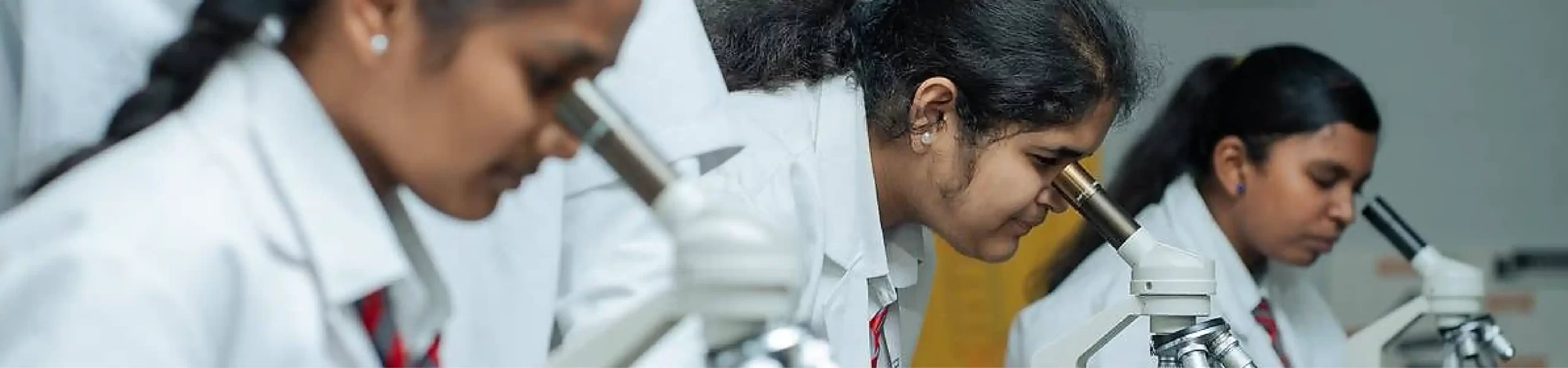
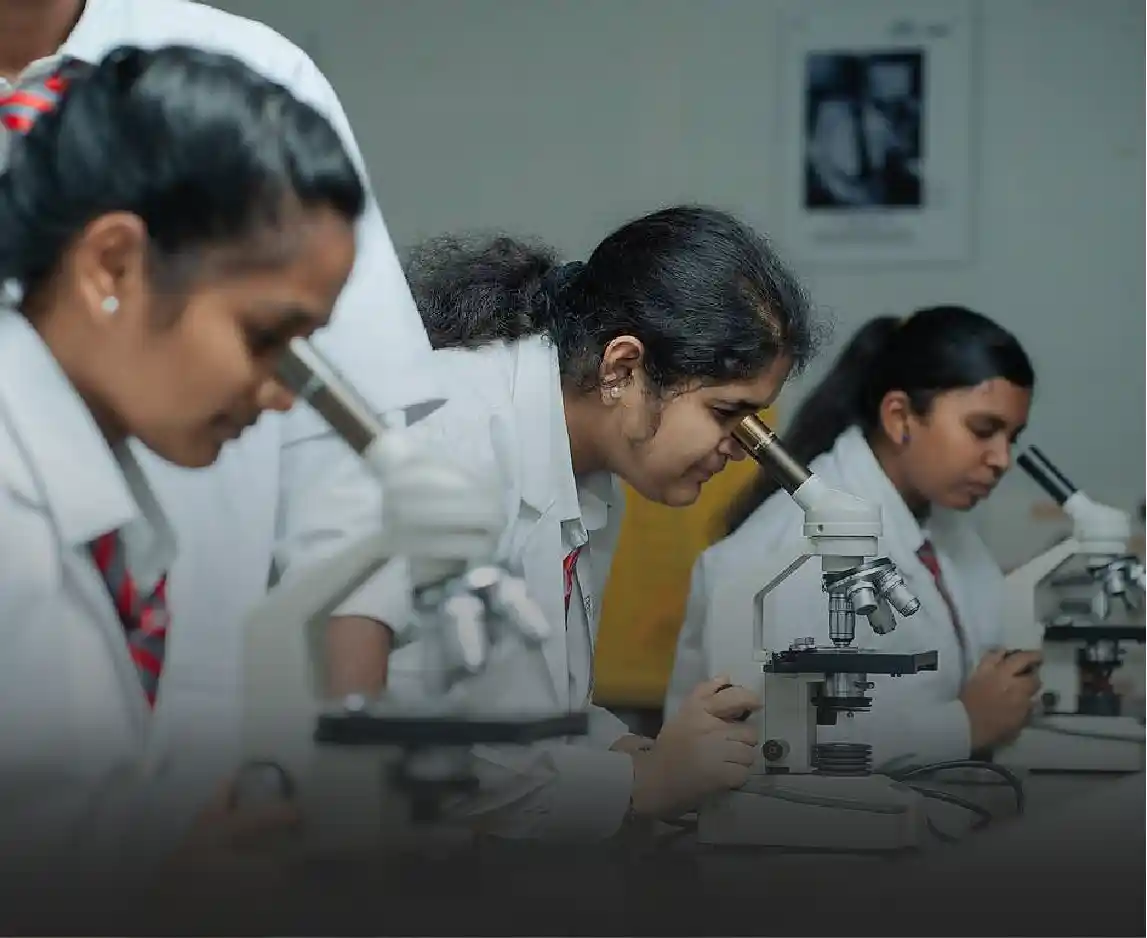
The laboratory facilities consist of molecular biology, microbiology and biochemical analysis equipment. In the course of training, students use PCR machines, spectrophotometers, centrifuges, and fermentation systems.
Exposure includes:
- Research lab training
- Hospital lab exposure and diagnostics.
- Internships in the pharmaceutical and biotech industries.
- Research projects and dissertations.
Workshops Conducted:
- Methods of molecular biology.
- Biosafety & lab ethics
- Scientific writing research methodology.
- Biotechnology career paths.
- MTT Assay of Animal Cell Culture.
Scientific Clubs, Seminars & Activities
There are science-orientated activities that involve students learning outside the classroom.
Such extracurricular activities complement education in classrooms as they offer a platform of creative expression and scientific expression. These programmes enable students to acquire presentation skills and professional networking skills.
Activities Include:
- Biotech and life science societies.
- Presentation of research papers and poster.
- National & inter-college seminars.
- Scientific conferences and symposiums.
- Interaction sessions in the industries.
Integrated Life Sciences – Zoology & Botany
The B.Sc. Biotechnology course incorporates the basic biology training in zoology and botany to enable students to have complete knowledge of biological sciences.
Animal physiology, developmental biology, and ecology are investigated using zoology modules. The elements of botany include plant biology, photosynthesis, and agriculture.
This unified methodology makes graduates know the biological systems at molecular and ecological scales. It bases itself on research in various areas of biotechnology.
Career Opportunities After a B.Sc. in Biotechnology
Graduates are ready to work in different career fields as researchers, healthcare professionals or in industry.
Graduates in biotechnology at ABBS are given the opportunity to work in a real-world setting with the practical skills that are appreciated by employers. Their theoretical knowledge and practical laboratory training make them instantaneously efficient at the workplace.
These entry-level jobs have an average salary of 2.5 to 4 lakh per annum. Experience and specialisation would raise biotechnology professionals to senior research positions, quality assurance management and regulatory affairs.
Popular Job Roles:
- Lab Technician
- Research Assistant
- Quality Control Analyst
- Clinical Research Associate
- Biotech Process Executive
- Microbiology Technician
Higher Education Options:
- MSc Biotechnology
- MSc Microbiology / Biochemistry / Genetics
- MSc Bioinformatics
- Research & PhD pathways
Biotechnology & Engineering Interface
Contemporary biotechnology is becoming more of an overlap with engineering fields. Students have a chance to be exposed to bioprocess engineering, equipment design, and automation technologies applied in biotech facilities.
This multidisciplinary setup equips graduates to work in biotech manufacturing, where biological science is applied to engineering principles. It unlocks career opportunities in optimisation of bioprocesses and production management.
B.Sc. Biotechnology Fees in Bangalore
The BSc biotechnology costs in Bangalore depend on lab facilities, infrastructure and expertise of the faculty members. ABBS has a clear and reasonable fee system.
The course of the study gets the students quality education on biotechnology with good value. The charges include laboratory materials, equipment access, library services and exposure programmes in an industry.
Financial planning assistance assists students in capturing the payment plans and options. ABBS has a competitive price in comparison to other colleges of biotechnology in Bangalore but achieves high educational results.
B.Sc. Biotechnology Admission Process at ABBS
ABBS offers admission to the B.Sc. biotechnology programme based on merit and through a transparent process.
The admission process is made student-friendly and efficient. The ABBS also analyses the candidates according to their 10+2 performance in science subjects, especially in biology and chemistry amongst other related subjects.
It is possible to visit the campus and take the prospective students to the laboratory facilities and meet the faculty members. During counselling, the admissions team gives comprehensive details regarding curriculum structure, fees and career prospects in the course of counselling.
ABBS provides assistance in admission all the way through. Based on the first admission until the ultimate enrolment, the staff members serve the students with the documentation, verification of the eligibility and orientation program.
Eligibility (BSc in Biotechnology Eligibility – Bangalore):
- Pass in PUC/10+2 in biology as one of the compulsory subjects.
- Students of the science stream (PCMB / PCB) are eligible.
How to Apply:
- Submit online application
- Upload academic documents
- Counseling & eligibility verification
- Admission confirmation
The admission process is made student-friendly and efficient. ABBS will assess the candidates in terms of performance in 10+2 and subject combinations.
Reservations should be made early since the seats are taken fast. Students get quick replies on their status of application and their further course of action according to the admission schedule.
The admissions team is also open to receive questions regarding course structure, laboratories, internship programmes and career assistance services. The official site is a published source of contact information and office hours.